Assignment 2: A Sweet Identity

Brief

For this assignment you will redesign the corporate identity for a traditional confectionery company. The objective is to modernise the design of the identity while keeping the heart of the brand. You will select a company that has a wide selection of products and has established its brand for many decades – or at least multiple years.

  1. Research the modern confectionery landscape

Research the industry, and sector. Who are the competitors? What products are available in the shops next to this company’s products? What are customers deciding between when they are making the decision to purchase a certain brand? 

  1. Select an existing company. 

Research the brand values, what the company stands for and how the brand is perceived by customers. Research the family of products the brand distributes – are the products aligned and clearly related to the parent brand? Explore the current corporate identity or any previous identity designs and redesigns. Look at visuals as well as news reports, public relations statements, and social media channels. Compile this research in your learning log.

  1. Explore different directions. 

Draft ideas for at least three different directions that the corporate identity might evolve. One direction might be an attempt to stay exactly the same while modernising, another might be to create an identity that will better align with the changes in the industry or sector, and a third might be an exploration of how the company will differentiate within the sector. 

  1. Develop one of the directions. 

Select one of the three (or more) directions you explored and develop this further. Based on what you know about the brand and the competitive landscape, design a corporate identity that will differentiate this company from the competition while staying true to the original values and brand promise. Refine the visuals, rationalise your choices, and support your decision with the research you conducted. Demonstrate how the new identity will translate across three specific products the company manufactures. 

  1. Prepare a corporate identity brand guide. 

This document will serve as the source of truth for the company going forward. It will be a reference manual for the marketing and PR teams, it will inform the presentations at strategy meetings, and it will be the benchmark against which new products are introduced.

The design process that you should use throughout the unit and consists of the following:

  • First stage — initial idea generation and visual experiments (both based on your research). 
  • Second stage — idea development and testing.
  • Third stage — idea selection and refinement. 
  • Final stage — reflection. 

Analysing the brief

Research

I started by researching the 10 top confectionary companies in the world and in the UK.

World top confectionery brands (google, 2024)
UK top confectionery brands (google, 2024)
Source: Google images, 2024

The History of Cadbury’s Brand Identity

Cadbury, one of the world’s most iconic confectionery brands, has a rich history of evolving its brand identity while maintaining its core values of quality, generosity, and heritage. Here’s an overview of how Cadbury’s brand identity has transformed since its founding:


Founding and Early Years (1824–1900s)

Cadbury was established in 1824 in Birmingham, England, by John Cadbury, who initially sold tea, coffee, and drinking chocolate. The early branding was utilitarian, focused on product quality and serving the needs of an industrializing society. Cadbury products were packaged plainly, reflecting the values of the Quaker family behind the business: integrity and simplicity.

In 1866, Cadbury introduced their first cocoa press, allowing for the production of “pure” cocoa—a revolutionary move that formed the foundation of their reputation for quality. By the late 19th century, Cadbury was using more elaborate designs and gold embellishments on packaging to convey luxury and high standards.


The Rise of Purple and Victorian Elegance (1900s–1920s)

The early 20th century saw Cadbury adopt the now-famous purple color, officially Pantone 2685C, which became synonymous with the brand. Purple was chosen as a tribute to Queen Victoria, symbolizing luxury and royalty.

During this time, the script logo, which resembled William Cadbury’s signature, made its debut. This hand-written style was used to give the brand a personal, trustworthy identity.


Expansion and Modernization (1930s–1950s)

In the mid-20th century, Cadbury evolved its identity to appeal to a wider, global audience. The branding became more consistent, and the signature logo was streamlined for clarity. Cadbury’s Dairy Milk, launched in 1905, became a flagship product, with the purple packaging and gold accents emphasizing its premium quality.

The tagline “Glass and a Half” was introduced during this period, symbolizing the generosity of ingredients in Dairy Milk—a theme that would define the brand for decades.


Post-War Era and Pop Culture (1960s–1980s)

With the rise of television and pop culture, Cadbury began emphasizing fun and innovation. The brand identity leaned into bright colors, playful designs, and jingles to market products like Cadbury Creme Egg and Flake. Advertising campaigns became a central part of Cadbury’s identity, reflecting the joy and indulgence of chocolate.

The logo remained largely unchanged, preserving its heritage, but the packaging became bolder, catering to changing consumer tastes.


Globalization and Streamlining (1990s–2000s)

As Cadbury expanded globally, it worked to unify its brand identity across markets. The purple color, script logo, and “Glass and a Half” symbol became universally recognized trademarks. During this era, Cadbury emphasized its British heritage and commitment to quality in a more cohesive way.

However, challenges arose when Kraft Foods acquired Cadbury in 2010. Concerns over preserving Cadbury’s identity and values were addressed by maintaining the core elements of the brand’s design and messaging.


The Modern Era (2010s–Present)

Today, Cadbury’s brand identity is centered on themes of generosity and joy. The brand’s recent campaigns, such as the “There’s a Glass and a Half in Everyone” slogan, focus on emotional connections and community spirit. The purple remains dominant, while the signature logo has been subtly refined to ensure modernity without losing its heritage.

Sustainability has also become a key aspect of Cadbury’s identity. Initiatives like using responsibly sourced cocoa through the Cocoa Life program highlight a modern commitment to ethical practices while resonating with socially conscious consumers.


Key Elements of Cadbury’s Brand Identity
  1. Colour: Cadbury Purple (Pantone 2685C) is central to its identity, symbolizing luxury and tradition.
  2. Logo: The script-style logo, based on William Cadbury’s signature, reflects authenticity and trust.
  3. Taglines: “Glass and a Half” emphasizes generosity, while newer campaigns focus on joy and community.
  4. Heritage: Its British roots and Quaker values of integrity and quality remain core to the brand’s image.
The History of Cadbury (Source: Cadbury, 2024)
Cadbury Timeline (Source: Cadbury, 2024)

Analysis of Cadbury’s Brand Identity

Cadbury is a globally recognised brand known for its chocolate and confectionery products. Its brand identity is shaped by several key elements that make it distinctive and resonate with consumers worldwide.

1. Core Values

  • Heritage and Tradition: Cadbury, founded in 1824, emphasises its long-standing tradition of producing high-quality chocolates. Its British roots and association with family values and care are integral to its identity.
  • Quality and Trust: Cadbury is synonymous with high-quality products, supported by its commitment to using premium ingredients. Trust has been built over decades of consistent performance.

2. Visual Identity

  • Logo: Cadbury’s iconic script logo, introduced in 1921, has remained a symbol of authenticity and tradition. The cursive style conveys warmth and personalisation.
  • Colour Palette: The signature “Cadbury Purple” (Pantone 2685C) is central to its visual identity, symbolising luxury, indulgence, and royalty.
  • Packaging: Cadbury uses clean and inviting designs, often featuring flowing lines that evoke smoothness and richness, mirroring the chocolate’s texture.

3. Tone and Messaging

  • Cadbury communicates in a friendly, inclusive, and approachable tone.
  • Its messaging often revolves around moments of joy, love, and connection. For instance, its advertisements focus on sharing chocolates with loved ones and creating small moments of happiness.

4. Emotional Appeal

  • Nostalgia: Many Cadbury campaigns tap into childhood memories and traditions, creating a strong emotional connection.
  • Relatability: The brand emphasises everyday life moments, making it feel accessible and relatable across cultures.

5. Innovations and Adaptations

  • Cadbury has consistently innovated its product range to stay relevant, introducing items like Cadbury Dairy Milk Silk and Cadbury Darkmilk to appeal to different tastes.
  • Regional adaptations, such as festive packaging and flavors, strengthen its connection with diverse markets.

Mind mapping

Mood board – logo

Source: Pinterest, 2024

Mood board – chocolate packaging

Source: Pinterest, 2024

Thumbnails

Typeface

Design process

Textures

Textures

Final designs

Mock ups

Self-reflection

To redesign Cadbury’s corporate identity, my approach was centered on modernising the brand while elevating its sense of luxury. Cadbury is widely recognised and loved for its history and comforting chocolate products, but I felt that its existing identity did not fully reflect the high quality and sophistication of its chocolate. By reimagining the brand, I aimed to preserve its warmth and approachability while creating a more premium aesthetic that aligns with its superior product offerings.

One of the key changes I implemented was in the colour palette. I opted for a refined and sophisticated combination of dark brown and gold, which not only reflects the richness of chocolate but also conveys a sense of indulgence and luxury. This choice was intentional to elevate Cadbury’s image while maintaining its connection to its heritage as a seller of fine chocolate.

The typeface I selected also plays a vital role in the redesign. I chose a modern, elegant typeface with clean lines and a touch of sophistication to enhance the brand’s premium feel. The updated typography complements the colour palette and creates a cohesive, polished look.

To add depth and visual interest, I incorporated textures and illustrations into the design. The use of watercolour illustrations of cocoa beans brings an authentic touch, reminding consumers of Cadbury’s commitment to quality and its connection to the raw ingredients that make its products so special. These elements also introduce a handcrafted, boutique feel that enhances the brand’s luxurious appeal.

Overall, my redesign balances Cadbury’s historical legacy with modern design sensibilities. It respects the brand’s origins while appealing to contemporary consumers who seek both quality and sophistication in their chocolate experience. Through this approach, I aimed to create a corporate identity that feels timeless yet forward-thinking, reinforcing Cadbury’s position as a leader in the confectionery industry.

Resources

Research Task 2.2: Understanding Harvard Referencing

Access The Library, and familiarise yourself with the Harvard Referencing guide. Try referencing a book, article, or internet page you have recently viewed.

(The Open University, 2024)

Examples of the Harvard Referencing:

Books:

  • Dabner, D., Stewart, S. and Zempol, E. (2014). Graphic Design School: A Foundation Course for Graphic Designers Working in Print, Moving Image and Digital Media. 6th ed. Hoboken, NJ: John Wiley & Sons.
  • Heller, S. and Vienne, V. (2012). 100 Ideas that Changed Graphic Design. London: Laurence King Publishing.
  • Lupton, E. (2015). Graphic Design: The New Basics. 2nd ed. New York: Princeton Architectural Press.

Articles:

  • Dritz, A., 2014. Closing the sustainability gap: The emerging role of sustainable graphic designer. Unpublished Master’s thesis]. Minneapolis College of Art and Design.
  • Raghavendra, A.N., Vijayakumar, G. and Thalari, S.K., 2024. Impact of Visual Hierarchy on User Experience in E-Commerce Websites. In Contemporary Trends in Innovative Marketing Strategies (pp. 141-156). IGI Global.
  • Woolley, C., 2022. Equitable access to public information and the role of the graphic designer.

Website:

Exercise 2.2: How Far is Too Far?

Brief

For this exercise you will look at the limitations of industry-specific identities. You will then create a proposal for a new company looking to enter an established industry. Select a very specific niche industry. For example a flower shop, a software company for business invoicing, or a plastics manufacturer. In your selected industry identify the range of brand identities. Compare and contrast the brand diversity of existing companies in the industry. What are the extreme ends of the spectrum? Look at the visuals the company creates (logs, promotional materials etc) as well as the language they use (text on their website or social media).
For example, does every flower shop include imagery of a flower in the logo? Consider new or emerging changes in these industries – do the companies that embrace changes present themselves differently from the traditional companies that wish to maintain the status quo? For example, a flower shop that uses drones to deliver flowers is vastly different from any other flower shop. How does this flower shop communicate this to customers? Analyse how companies at extreme ends of the spectrum communicate their distinction to their customers. Compile your findings about the industry into a proposal for a new company launching in this same industry. The audience for this proposal is a group of senior investors interested in launching a new business in this industry. Focus on how they can either differentiate themselves or fit in with the industry norms through their visual identity. Your proposal should include both visual research (for example mood boards) and written rationale. The proposal can take the form of a report or presentation.
Your proposal should include:
What visuals/media should the new company use?
How will customers know what they are signing up for?
What will need to be communicated to ensure the brand promise is clear? For example, do customers realise what they sign up for when they order drone-delivered flowers?

Analysing brief

To respond to the brief, I decided to research coffee brand companies. I looked at best coffee beans in the UK.

(bbc good food, 2024)

Grind Coffee

“David Abrahamovitch is the founder & CEO of Grind. In 2011, alongside his friend Kaz James, he turned his father’s old mobile phone store in Shoreditch into a coffee shop called Shoreditch Grind. As it evolved, Shoreditch Grind became a “café by day and cocktail bar by night” and the first location became an East London institution.

Over the last decade, Grind has grown to become the breakout coffee challenger brand in the UK, with fourteen locations across London, a thriving online business serving hundreds of thousands of customers around the world, and Grind coffee beans, coffee cans and coffee pods are available in most major UK grocers. Grind is also the global coffee supplier to Soho House, and is partnered with other best-in-class brands like Oatly and Brewdog.

David’s vision is to grow Grind into the world’s leading challenger coffee brand, encouraging people around the world to enjoy speciality coffee, sustainably.”

(Grind, 2024)

Analysing the brand’s visual identity

Grind Coffee’s visual identity is cohesive, stylish, and distinctly minimalist. It emphasises a sleek, modern aesthetic that appeals to a design-savvy audience. Their visual branding elements include:

  • Logo: Simple and clean, often just the word “GRIND” in uppercase, reflecting a minimalist, modern aesthetic.
  • Colour Palette: The brand often uses a muted, pastel pink as its signature colour, creating a soft and approachable yet sophisticated look. Black, white, and grey are also prominent, giving it a refined and clean feel.
  • Typography: A bold sans-serif font that feels modern and straightforward, enhancing its minimalistic and trendy appeal.

The overall visual identity reflects a modern, urban vibe that aligns with its focus on both style and substance. The brand’s consistent use of pink across packaging and promotional materials makes it easily recognisable and sets it apart from the darker, earth-toned designs commonly seen in the coffee industry.

kiss the hippo

“We’re Kiss the Hippo, London‘s most innovative and sustainable specialty coffee company. We roast organic, planet-friendly coffee at our state-of-the-art roastery in London, then send it out to discerning coffee drinkers across the UK and beyond. 

We opened our roastery in 2018, and from day one it’s been a hub of sustainable innovation. Since then, we won the UK Barista Championships twice which is a humble reflection of our perfectionist ethos. Kiss the Hippo’s ultimate aim is to be regarded as the superior coffee brand of its era.”

(Kiss the hippo, 2024)

Analysing the brand’s visual identity

Kiss the Hippo has crafted a unique visual identity that is both refined and approachable, blending luxury with eco-friendliness.

  • Logo: The logo features a minimalist design of a hippo, which adds a playful and memorable element to the brand while still maintaining a refined aesthetic.
  • Colour Palette: The brand uses a mix of neutral colours like beige, brown, and off-white combined with pops of earthy, natural colours (such as deep red), evoking nature and sustainability.
  • Typography: Clean, sans-serif fonts lend a modern, elegant look that aligns with the brand’s high-end positioning. This minimalist font choice also supports readability and gives the packaging a polished feel.

Overall, the visual identity is sophisticated and muted, reflecting the brand’s commitment to quality without being overly showy. The hippo logo adds a playful touch, making the brand feel approachable and memorable despite its luxury positioning.

Pact COFFEE

“Every revolution has to start somewhere, and coffee lover Stephen Rapoport launched Pact in his home kitchen, 3 weeks before his wedding! Fed up with the problematic coffee industry, and on a quest to bring the nation better quality brews, Stephen set to work in the summer of 2012.

Stephen discovered that from farm to customer, there are traditionally 10 middle parties in the supply chain. Too often, this model leaves hardworking coffee farmers with crumbs. Stephen decided to take matters into his own hands by building direct relationships with farmers worldwide and paying them premium prices for premium coffee.”

(Pact COFFEE, no date)

Analysing brand’s visual identity

Pact Coffee’s visual identity is simple, approachable, and designed to reflect its ethical and transparent approach. The brand’s aesthetic is modern but unpretentious, making it feel accessible and friendly.

  • Logo: The Pact logo is straightforward and modern, often appearing as a simple wordmark. The use of a lowercase typeface gives it an approachable and relaxed feel, aligning with the brand’s accessible ethos.
  • Colour Palette: Pact Coffee uses warm, earthy colours like yellows, greens, and browns, creating a natural, welcoming feel. This colour scheme reflects the brand’s emphasis on ethical sourcing and quality and connects the visual identity with sustainability.
  • Typography: The brand uses clean, sans-serif fonts, which contribute to its modern and accessible image. The font choice is unembellished and clear, emphasising transparency and approachability.

The overall visual identity is inviting and clean, emphasising the brand’s mission to make ethical coffee accessible and enjoyable for a wide audience.

VOLCANO COFFEE WORKS

“Eighteen years ago, in West Dulwich, our founder Kurt Stewart showed up with a vintage Italian Piaggio Ape cart, serving his Full Steam Espresso from the footpath off Rosendale Road. All Kurt wanted to do was introduce more people to better coffee (he knew what that was, being a Kiwi as well as a seasoned chef). They kept coming, so Kurt kept going — and he hasn’t stopped. Today, Volcano Coffee Works has a London coffee roastery, a café, and a team of 30 people on a mission to build the best coffee company we can, bean by bean. And the first batch of the day is still roasted by Kurt.”

(Volcano Coffee Works, 2024)

Volcano Coffee Works’ visual identity combines bold and clean design elements, creating an aesthetic that feels both modern and environmentally conscious. The visual style is polished yet approachable, catering to an urban, design-aware audience.

  • Logo: The Volcano Coffee Works logo is a combination mark. The name “Volcano” is powerful and connotes energy and a strong flavor, suggesting the intensity and boldness of the coffee.
  • Colour Palette: The brand uses earthy tones combined with occasional bold colours like red or orange, representing the “volcano” concept and adding an element of warmth and intensity. The colours align with themes of nature, warmth, and sustainability.
  • Typography: Volcano Coffee Works has sans-serif fonts that add to the modern, clean aesthetic. This typographic choice supports the brand’s contemporary feel and aligns well with their eco-conscious and straightforward approach.

Origin Coffee

Founded in 2004 by Tom Sobey, Origin Coffee is one of Europe’s leading speciality coffee roasters. Leading change in the industry for nearly two decades, Origin remains committed to a pursuit of coffee excellence bound by one central ethos–to source, support, and champion farmers and producers through a sustainable, triple-bottom-line approach.

Now, with a team of coffee professionals, a world-class coffee programme, seven coffee shops, and an ever-evolving product range, Origin sits proudly as one of the longest standing speciality coffee roasters on UK shores.

(Origin coffee, 2024)

Analysing the brand’s visual identity

Origin Coffee’s visual identity is sleek, modern, and refined, aiming to reflect the quality and care that goes into its coffee offerings. The brand’s visuals are cohesive and elegant, reinforcing its premium, artisanal positioning.

  • Logo: The logo is simple and understated, often presented in a modern, sans-serif typeface. This minimalism highlights Origin Coffee’s sophisticated and straightforward approach, conveying quality and reliability without the need for excessive embellishment.
  • Colour Palette: The brand uses a muted and neutral colour palette, with shades of black, white, and muted earth tones. This colour scheme aligns with the brand’s emphasis on simplicity and authenticity, giving it a premium feel that avoids appearing overly commercial.
  • Typography: Origin Coffee opts for clean, modern fonts that emphasise readability and elegance. The typeface is simple yet refined, reflecting the brand’s commitment to quality and minimalism. This typography complements the brand’s focus on transparency and clarity in communication.

Brand mind mapping

For my brand, I’ve chosen to create a niche coffee brand specifically catering to teachers and school staff. As a teacher myself, I’ve seen firsthand the unique challenges and demands we face daily, and I recognise the potential for a product that supports educators in a meaningful way. This brand is born from my personal understanding of the need for quality coffee that fuels long, busy school days, while also encouraging a sense of appreciation and community within the educational environment.

Proposal: Faculty Fuel

Faculty Fuel” is a coffee brand specifically designed to cater to the busy, hardworking educators of the world. This brand aims to provide teachers with the energy and focus they need to thrive throughout the school day. By blending high-quality coffee with a unique understanding of the challenges faced by teachers, “Faculty Fuel” will be the go-to brand for schools, educators, and education-focused organisations.

Mission:

To empower educators with the energy and inspiration they need to shape the future. Faculty Fuel is more than just coffee, it’s a celebration of the hard work, dedication, and passion that teachers bring to their classrooms every day.

Target Market:

  • Primary Audience: Teachers, professors, and educators in primary, secondary, and higher education.
  • Secondary Audience: School staff (administrators, counselors, librarians), school supply stores, education-based companies, and parents of school-aged children who wish to support educators.

Brand Identity:

  1. Brand Name: Faculty Fuel – A name that speaks directly to teachers and reflects the energy they need to fuel their day.
  2. Logo and Design:
    • Logo: A combination of an open book and coffee cup or a coffee bean, symbolising the intersection of learning and energy.
    • Colour Scheme: Earthy tones (rich browns) combined with accents of vibrant colours (deep green) to represent the warmth and vibrancy of teachers as well as sophisticated.
    • Typography: Professional yet approachable fonts that reflect the credibility of educators but are easygoing enough to evoke warmth and comfort (handwritten).

Mood board

(Google images, 2024)

How will customers know what they are signing up for with “Faculty Fuel”?

Customers will know that “Faculty Fuel” is a coffee brand specifically designed for teachers and school staff through clear, targeted messaging on all brand touchpoints. The brand’s name, “Faculty Fuel,” immediately communicates that it is tailored to educators. Additionally, the website, packaging, and marketing materials will emphasise themes relevant to teaching, such as long school days, the need for energy and focus, and the appreciation of educators’ hard work. The brand will use phrases like “Brewed for Educators” or “For Those Who Teach, and Reach for More” to make it clear that this coffee is crafted with teachers’ unique daily routines in mind.

What needs to be communicated to ensure the brand promise is clear?

To ensure the brand promise is clear, Faculty Fuel needs to emphasise these core elements:

  • Purpose: Communicate that Faculty Fuel coffee is crafted specifically for educators, designed to help them power through long days, grading, lesson planning, and early mornings. Every aspect of the brand, from blend profiles to packaging, should resonate with the teaching profession.
  • Quality & Convenience: Faculty Fuel should highlight that it offers high-quality, ethically sourced coffee that can be easily accessed by teachers. Whether through subscription plans, school orders, or individual purchases, customers should understand that Faculty Fuel provides a dependable and convenient way to enjoy premium coffee without needing to search for it.
  • Teacher Appreciation: Faculty Fuel needs to convey that it’s more than just a coffee brand; it’s a brand that values, celebrates, and supports educators. Packaging, social media, and advertising can include messages of appreciation for teachers, along with notes or quotes related to the value of education.
  • Social Impact: The brand can stand out by committing a portion of proceeds to educational causes, classroom grants, or resources for schools. This promise of giving back to the educational community will reinforce that Faculty Fuel is genuinely invested in supporting teachers and schools.

Resources

Exercise 2.1: [Your Town] ONstage

Brief

A cultural arts organisation in your hometown has just secured the funding for a new annual theatre festival. The festival celebrates amateur talent and values diversity, inclusion, and breaking down barriers. The festival will be called ‘[Your Town] ONstage’, where ‘Your Town’ is the name of your place of residence – the town, city, hamlet, neighbourhood, or country – wherever you live in the world. Therefore, if you live in London, this festival would be called ‘London ONstage’ . This year will be the first year of the annual event, as such, there is no existing brand image. Anyone attending this event will be attending for the first time, therefore the organisation needs you to design promotional materials that will communicate the brand identity. The festival will feature up-and-
coming local artists and performance companies. This will include producers, directors, costume designers, and actors. The mission of the festival is to provide a platform for local talent, to help artists at the start of their careers develop their skills, and to create opportunities for anyone, regardless of age or previous experience, who is passionate about theatre.
The festival is funded by ‘Your Town’. This means that the brand identity of the town needs to be taken into consideration. Does the branding and identity of your town align with the values of the festival? Research how the town promotes itself on their website, through pamphlets and maps
available to tourists, and in public spaces, for example banners or seasonal street decorations.
Depending on your specific circumstances you may find that working to extend the branding and identity of the town will add value to the festival or you may find that aligning the festival too closely with the town will have a detrimental effect. For example, if the town has been supportive of other art spaces and events in the past you can align with these events, however if the town has a reputation for discrimination or intolerance it would not be in the best interest of the festival to align with the town branding.

Analysing the brief

1. Defining Core Brand Values

  • Inclusivity and Accessibility: Emphasising that the festival is for everyone. The identity should convey a welcoming, open environment. This could be represented through diverse visual elements, accessible language, and universal design.
  • Celebration of Local Talent: Showcase emerging local artists and creative professionals. The brand should feel young, fresh, and energetic, positioning the festival as a launchpad for the local creative community.
  • Community and Connection: Highlighting the communal nature of the event will be essential. This could be visually expressed through collaborative graphics or representations of group dynamics, symbolising unity and collective celebration.

2. Researching Local Branding for Alignment

  • Assess Current Town Branding: Look into the town’s current identity as promoted through official channels (e.g., website, social media, tourist materials, local banners). Are there slogans, color schemes, or symbols that are central to the town’s image? Consider if these align with the festival’s values.
  • Evaluating Past Arts Support: Explore the town’s history of arts funding or community events. If the town has a positive track record in arts sponsorship or has promoted cultural diversity, aligning some festival elements with the town’s brand could strengthen local buy-in.
  • Navigating Potential Misalignments: If the town has any negative associations (e.g., intolerance, lack of cultural support), steer the festival’s branding away from overt alignment with the town’s existing identity, instead creating a distinct, fresh image that stands for openness and inclusivity.

3. Brand Identity Development

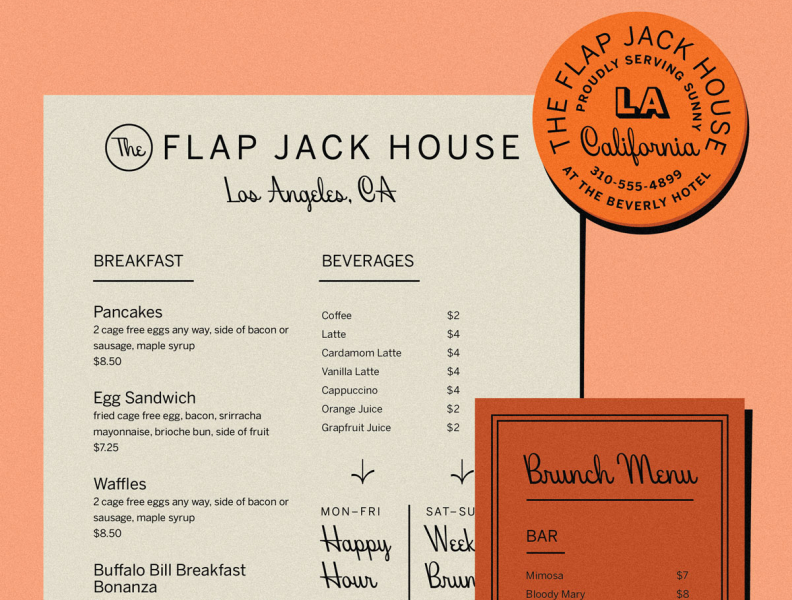
  • Name & Logo Design: “[Your Town] ONstage” should feel dynamic, approachable, and artistic. A logo that incorporates a theatre-related icon (e.g., a stage spotlight, curtain, or mask) could help convey the focus. Make sure the logo is versatile for use across digital and print media.
  • Colour Palette: Use colours that symbolize creativity and vibrancy. For example, bright, energetic colours like orange, teal, or purple can feel inclusive and modern, whereas darker, traditional hues like navy or burgundy might give the event a more formal tone.
  • Typography: A mix of playful and bold typography could work well, emphasizing the inclusive and youthful atmosphere of the festival. Avoid overly formal or traditional fonts to keep the brand feeling approachable.
  • Visual Style: Photographs of diverse local performers, vibrant graphics representing various art forms, and illustrations of theatre-related elements can bring the brand to life. Ensure that all materials highlight the diversity of the participants and audience.

4. Promotional Materials

  • Posters & Flyers: Design materials with a focus on community spaces and high-traffic areas in the town. Visuals should communicate inclusivity, feature diverse participants, and showcase the vibrancy of theatre arts.
  • Social Media Campaign: Highlight profiles of the local talent participating in the festival (actors, directors, designers) and share behind-the-scenes content to build excitement and familiarity with the festival’s artists. Use hashtags that tie the festival to the town’s name to increase local engagement.
  • Website & Program Booklets: Create a clean, navigable site or microsite and event programs that offer easy access to event schedules, artist bios, and volunteer opportunities. These can carry the brand colours, logos, and typographic style for cohesive branding.

5. Community Engagement

  • Inclusive Messaging: To emphasise openness, a slogan like “A Stage for Everyone” or “Our Town, Our Talent,” reinforcing that the festival is by and for the community.
  • Collaborations with Local Businesses and Schools: Partnering with local schools, businesses, or other community organisations could enhance visibility and credibility, especially if these entities have ties to local arts initiatives.
  • Accessibility: Ensure materials and venues are accessible, aligning with the festival’s commitment to inclusivity, including providing resources like sign language interpreters or making sure venues are wheelchair accessible.

Mind mapping

I began by mind-mapping all the ideas and key elements from the brief, then conducted in-depth research on my town, Farnham, focusing on its rich history and the established brand identity associated with it.

About Farnham

Farnham is a thriving and historic market town nestled within the Surrey Hills and located less than an hour from London and the coast. Sitting on the banks of the River Wey and surrounded by woodland, the town is crowned by a magnificent deer park and castle. Farnham has a vibrant community feel and combines a rich tradition of craft with a modern and innovative outlook. (Farnham, 2020)

Farnham town (Google images, no date)

Pinterest board

Symbols and icons related to the theatre (Pinterest, 2024)
Logo

Logo thumbnails

After reviewing various logo options in the thumbnails, I’m drawn to a design that incorporates a typeface similar to the one used by Farnham Town Council. I think pairing this classic font with a subtle spotlight effect would beautifully evoke a theatrical feel, tying it to the essence of the theatre.

Logo typefaces (Adobe fonts, 2024)
Logo design on Illustrator
Final logo

Size

(Inspire.designs, 2024)
Colour palette

Colour palette, based on Farnham town council’s logo (Color.adobe, 2024)
Design process

Thumbnails

Final design

Mock up

Showreel

Self – reflection

In response to the brief, my approach centres on creating a welcoming, inclusive brand identity for “Farnham ONstage” that highlights the festival’s commitment to diversity, accessibility, and local talent. By researching the town’s current branding, I can determine whether to align closely with its image or establish a distinct identity that promotes a fresh, inclusive atmosphere. My design will incorporate friendly, vibrant colours, approachable typography to attract a broad audience.

Reflecting on my design, I incorporated Farnham’s existing branding, which has a historical and somewhat formal aesthetic. However, a more vibrant, contemporary look for Farnham ONstage could better capture a diverse audience’s attention and create a sense of excitement around the festival.

Resources

Research Task 2.1: Brand Identity and Brand Image Synchronicity

    Companies of various sizes and across many industries employ brand strategists, communication specialists, customer experience consultants and graphic designers to plan the consumer journey and design the experience with the brand at all customer touchpoints. The intention behind this planning is to align, as closely as possible, the brand identity with the brand image, or public perception of the brand.
    For this research task you will need to:
    Identify two examples from your own experience:
    One example of a brand that delivers on its promise exceptionally well.
    The second example of a brand that did not meet your expectations.
    Find out about the intended brand identity by reading the vision and mission statement or company values. These can often be found on the ‘about’ page of the company website or published in annual reports.
    Answer the following questions:
    What identity does each brand portray and how is this the same or different from the brand image or expectations that you have of the brand?
    How is the brand experienced? Identify a number of customer touch points with each brand, this
    can include visuals used in advertising, the design of physical spaces (e.g. product displays, checkouts, directional signage), unique experiences, membership perks, or sponsored events.
    How does the brand meet the promises it makes to customers? If the brand doesn’t meet the promises it makes to customers, can you identify where the brand has lost its way?
    To present your research, summarise the brand identity or promise that brand makes to the customers for each of the examples. Break down the overall promise into specific aspects and map each aspect to the experience of the brand. For example, a company that promises to serve a social cause by engaging with youth, might encourage customers to participate in games by hosting competitions on social media, they might curate a music playlist featuring indie artists to set the atmosphere in stores, and they might include the social impact of the products they sell on tags or packaging to describe their products.

    Breaking down the requirements:

    Example 1 (Positive Experience): Select a brand that aligns well with its promises. Look for one with a clear mission, perhaps focused on quality, sustainability, innovation, or customer satisfaction.

    Brand Identity (Promise)
    1. Vision and Mission Statement: Research the brand’s vision, mission, or values. Look for statements about customer satisfaction, product quality, environmental consciousness, or innovation.
    2. Stated Goals: Identify what they promise to provide, whether it’s high-quality products, ethical sourcing, or exceptional customer service.
    Brand Image (Consumer Perception)
    1. Touchpoints:
      • Advertising: Analyse any consistent messages, such as ads that emphasise product quality, eco-friendly practices, or customer-centric values.
      • Physical Spaces: Observe their stores, product displays, and online presence to see if the design aligns with their brand promise.
      • Customer Service: Evaluate if customer support is responsive and helpful.
      • Digital Channels: Review their social media presence for consistency in messaging, customer interaction, and engagement.
    2. Experience:
      • Detail experiences with the brand, like timely delivery, helpful customer service, or ease of navigating the website.
      • Look for whether the brand is actively upholding its promises or enhancing the experience, like through loyalty programs or personalized services.

    Example 2 (Negative Experience): Choose a brand that failed to meet expectations, either due to poor customer service, inconsistent quality, or a misalignment with its values.

    Brand Identity (Promise)
    1. Vision and Mission Statement: Similarly, identify their stated mission, values, and customer promises.
    2. Stated Goals: Pinpoint their focus, such as promises related to innovative design, superior service, or affordability.
    Brand Image (Consumer Perception)
    1. Touchpoints:
      • Advertising: Describe the messaging tone, whether it’s focused on luxury, innovation, affordability, or sustainability.
      • Physical Spaces: Observe any mismatches between the physical presentation and the promise (e.g., crowded layouts despite a focus on customer comfort).
      • Customer Service: Note any unresponsive or unhelpful interactions, reflecting poorly on their customer-centric claims.
      • Digital Channels: Assess if their online experience aligns with brand promises, are they actively engaging or absent from social media?
    2. Experience:
      • Describe a specific issue, such as poor-quality products, shipping delays, or inaccessible customer service.
      • Explain any significant gaps between expectations (based on their advertising) and actual experience.

    For this research task, I decided to make some research about the best and the worst delivery company services in the UK.

    These are the best to worst parcel delivery firms, according to the Money Saving Expert user survey.

    (Bracknell News, 2023)

    I personally don’t have a positive experience with Evri delivery service, so I am going to choose DPD as my positive experience and Evri as my negative experience.

    Positive experience: DPD

    About:

    DPD is one of the UK’s leading time-critical carriers and can satisfy all your distribution needs, whether your consignments are for the UK or elsewhere in the world.

    Integrating our own extensive UK network with our unrivalled ground-based service to Europe and Air Express service to the rest of the world, we are well placed to satisfy all your distribution and logistics needs.

    In addition, our team of people has the technology and information systems to provide a seamless service for you and your customers.

    We have a total support network that will act – if you want it to – as an extension of your own business. (dpd, 2024)

    (dpd, 2024)

    1. Promise vs. Delivery:

    • Punctuality: DPD promises timely deliveries and fulfills this by maintaining a high success rate in delivering on time, with tracking updates that keep customers informed.
    • Transparency: The DPD app’s real-time tracking feature aligns perfectly with their promise of transparency, allowing customers to see exact delivery times.
    • Environmental Responsibility: The company’s commitment to carbon neutrality is evident in their electric delivery vans and sustainable packaging options. This aligns with eco-conscious customers’ expectations.

    2. Positive Aspects:

    • Customer Convenience: The Predict Service offers a level of flexibility that is rare in delivery services, allowing customers to choose or alter delivery windows up to the day of delivery.
    • Sustainability: DPD’s green initiatives resonate well with eco-conscious consumers, who often appreciate visible efforts toward reducing the environmental impact of logistics.

    In summary, DPD effectively fulfills its brand promise by aligning its actions with its stated mission and values. Through punctuality, transparency, and eco-friendly practices, DPD demonstrates a consistent, reliable delivery service that meets consumer expectations at multiple touchpoints. This consistency in delivering on its promises makes DPD a positive example of brand alignment.

    Negative experience: Evri

    About:

    From our roots as a mail order company nearly 50 years ago, we’ve grown considerably over the decades – and we’ve had a few name changes along the way. Evri launched in March 2022 following a successful rebrand from Hermes UK.

    Now, with our friendly team of 20,000+ couriers, 14,000+ local one-stop ParcelShops and Lockers and a growing network of state-of-the-art hubs and depots, Evri provides delivery solutions for anyone who wants to send a parcel in the UK and to more than 220 international destinations.

    Our combination of speed, value and service has made us the partner of choice for the majority of the UK’s biggest retailer brands as well as fast-growing market-place online platforms like Vinted and Etsy and consumers looking for alternatives to traditional carriers. (Evri, 2023)

    (Evri, 2023)

    1. Promise vs. Delivery:

    • Reliability: Evri’s brand promise of dependable delivery often falls short. Customers frequently experience delayed, missed, or even lost packages, which contradicts their advertised reliability.
    • Security and Care: The brand’s claim of safe and secure delivery is frequently undermined by incidents of parcels left in unsafe locations, packages damaged in transit, or insufficient communication about delivery issues.
    • Customer Focus: Evri’s promise of a customer-centric experience is not consistently upheld. Many customers report feeling ignored or unsupported due to slow customer service responses and the lack of clear resolution processes.

    2. Critical Insights:

    • Inconsistent Delivery: The reliance on independent contractors creates significant variation in service quality. Some regions may experience good service, while others suffer from frequent issues.
    • Customer Service Challenges: Evri’s customer support options are often limited and slow to respond. Many customers report that even when they reach customer service, resolutions are often unsatisfactory, which can leave them feeling frustrated and powerless.

    In conclusion, Evri’s brand image suffers from inconsistencies between its promises and customer experiences. Frequent issues with delivery reliability and unsatisfactory customer service are major points of concern. These experiences make Evri an example of a brand struggling to meet its brand identity, as the gap between customer expectations and actual experiences remains significant.

    Resources

    Assignment 1: Careers in Graphic Design

    Brief

    For this assignment you are asked to design various forms of information and promotional media on the topic of careers in graphic design, aimed at school leavers. The various forms of media will be accessed from a stand and table, enclosed by free-standing display screens, at a careers event at a school or university. Please also provide a mock-up of what the stand may look like.

    The content of the marketing media should contain guides to the many different specialist areas of design, examples of the breadth of work produced by designers, and three case studies of real, or made-up design agencies which include short statements from a designer about what it’s like to work in their area, along with samples of work. Look back at the research and the exercises you have already done for content and inspiration.

    The printed media will also feature information on how to find out more, along with some useful contacts and supporting images. You are also required to design a landing page for an interactive, on-line version of the promotion. A screen running a loop of relevant material will be on the stand. The screen media may be presented as a mock-up. All printed, or screen based media, must show visual continuity with a strong, creative identity suitable for a visually savvy audience.  

    Aim

    Through the research and the creation of content for this brief, you will extend your understanding of graphic design theory and practice that takes place across a broad range of professional activities. You will also begin to make informed decisions about directions that you might like to explore in creating your own professional profile.    

    The design process that you should use throughout the unit is the same as at stage 1 and consists of the following:

    • First stage — initial idea generation and visual experiments (both based on your research). 
    • Second stage — idea development and testing.
    • Third stage — idea selection and refinement. 
    • Final stage — reflection. 

    Keywords:

    • Promotional media
    • Stand
    • Display screen
    • School leavers
    • Careers event
    • Three case study
    • Landing page
    • Mock up

    Mind mapping

    Knowing the target audience is key: school leavers who may be aware of graphic design as a career but lack an in-depth understanding of its various specialties and industry demands.

    Research: Branding

    LinkedIn learn – Brand Design Foundation by Sean Adams

    Mood board

    Made in Milanote.com

    Business name

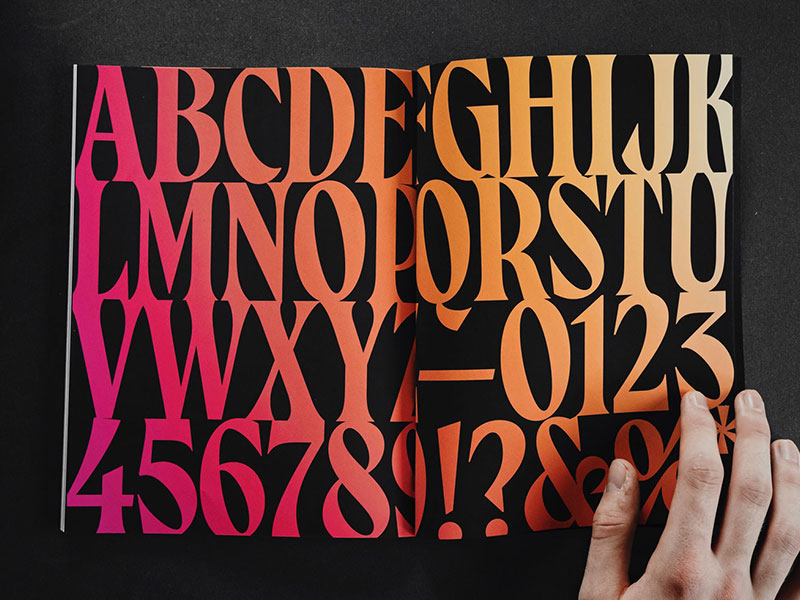
    Typeface

    Typefacelogo
    Typeface – body text

    Slogan examples

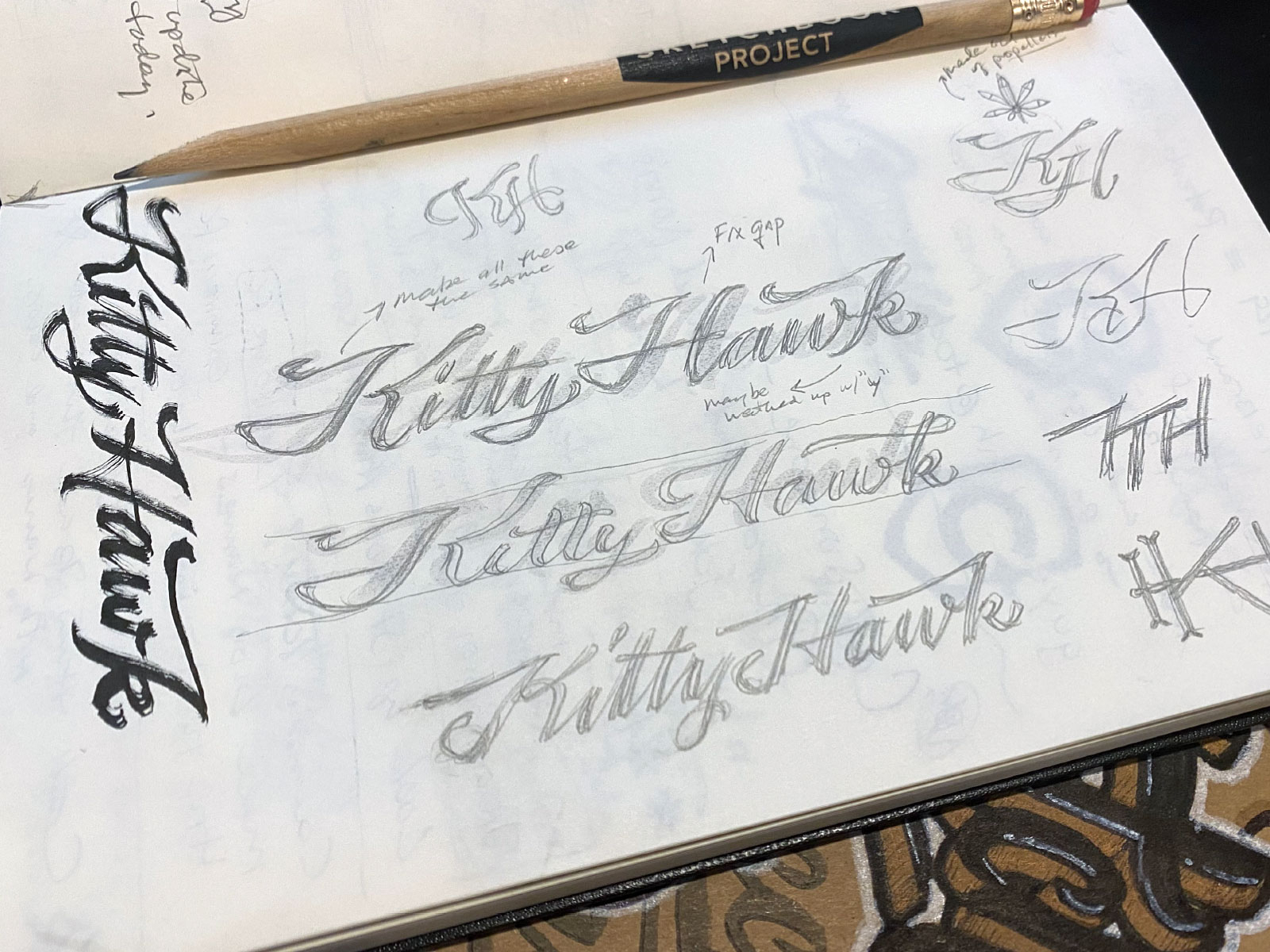
    Sketches: logo

    Design process

    Final Logo

    Mood board: booklet, business card, stand and landing page

    Booklet
    Business card
    Stands
    Landing page

    Thumbnails

    Thumbnail- booklet
    Thumbnail – Stand
    Thumbnail – business card
    Thumbnail – landing page

    Design process

    I divided the content into sections to highlight the diversity in the field, such as branding, web design and packaging. I added designer quotes about daily experiences in their specific roles.

    Final design – booklet

    Size 5.5 x 8.5 in

    Final design – banner

    Size 800 x 2080 mm

    Final design – business card

    Size 85 x 55 mm

    Final design – landing page

    1366 x 768 px

    Mock ups

    Self – reflection

    This assignment helped me develop skills in creating an integrated promotional experience. By combining creative design elements with structured informational content, I aimed to inspire school leavers to explore the potential within graphic design careers.

    This project required balancing informative content with strong visual appeal. My main focus was to ensure that all media, whether physical or digital, remained cohesive and reinforced the graphic design field’s attractiveness.

    Maintaining visual consistency across different media formats was a challenge. However, I solved this by setting clear guidelines for colour, typography, and layout, which were consistently applied.

    This project deepened my understanding of how to communicate effectively with different audiences, balancing information with aesthetics. It also underscored the importance of a strong, adaptable design identity.

    Resources

    Exercise 1.2: Promotional Posters

    Brief

    Create a series of A3 posters, using appropriate type and images, which both reflects and promotes the nature and practice of three specific areas of graphic design.
    Try to express the experience of engaging with the creative process, the creative team, and with the special visual dynamics of each area. You may choose to show outcomes of great design projects, working environments, the tools of the trade or a combination of several aspects. Be creative and let your imagination show through.
    Make sure that the final outcomes do work as posters, and are not just photographs, collages or other illustrations. Use type thoughtfully, and think about what information you might also need to include.

    Keywords:

    • A3 posters
    • 3 area of graphic design
    • Showing creative process
    • Creative team
    • Visual dynamics

    Mind mapping

    Research: Different types of illustration

    Editorial Illustrations
    Editorial Illustration example

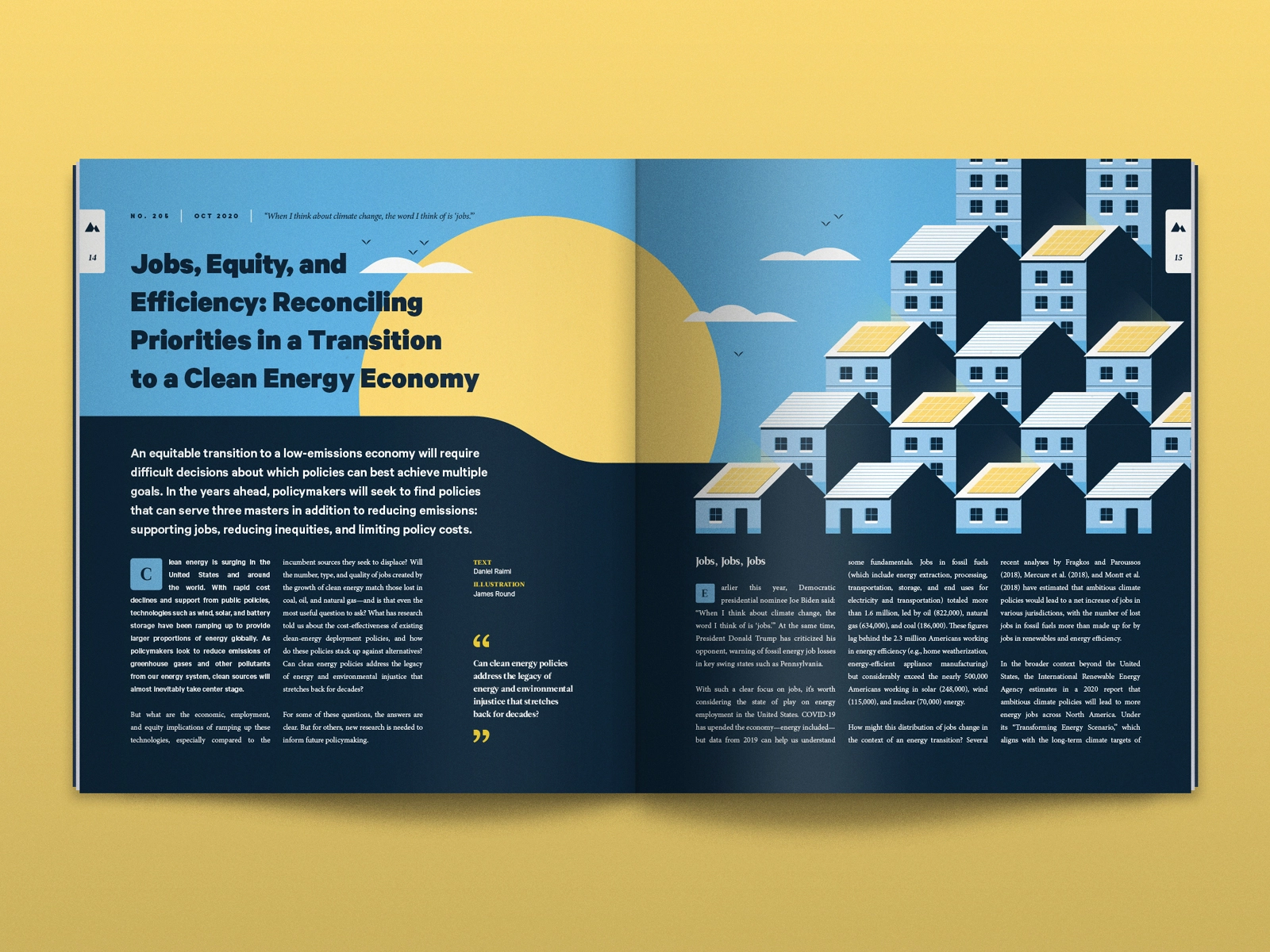
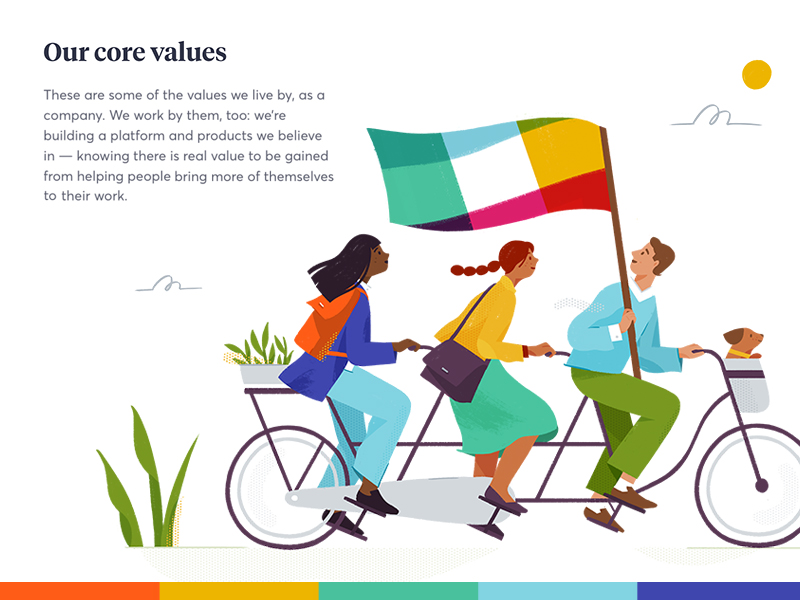
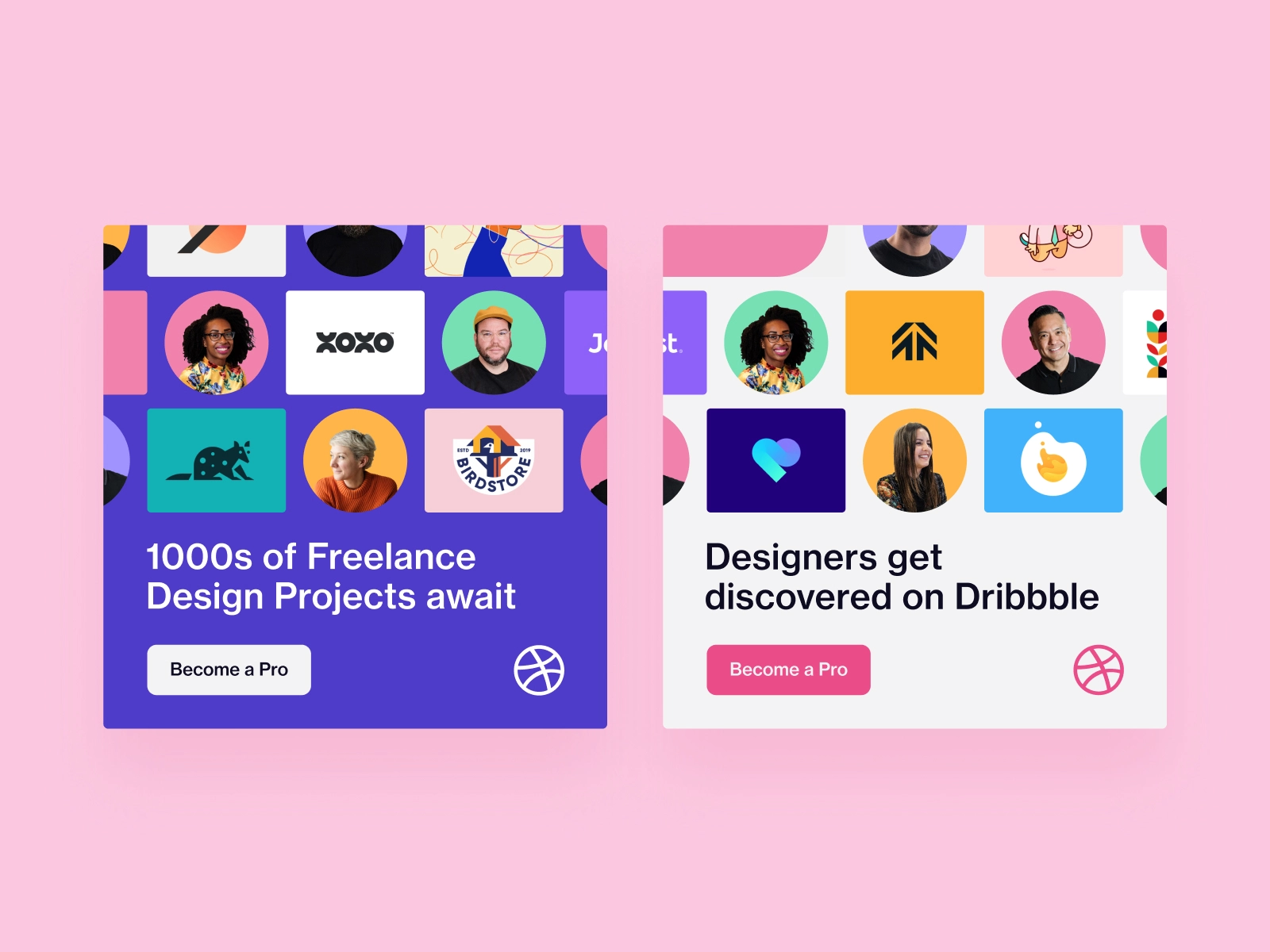
    Editorial Illustration / Source: Dribbble

    An editorial illustration is a form of art that brings to life a text and can be used in both digital and print media. Professional illustrators work with writers to bring together images and words, giving readers a visual aid that reads like a short story. Editorial illustrations aid the main story, and they either lose sense or cannot exist on their own.

    Technical Illustrations
    Technical Illustration example

    Technical Illustration / Source: Lego

    Technical illustration is a field that deals with the creation of drawings aimed at explaining complex, specialized concepts. These depictions are usually aimed at visualizing physical objects or concepts by using symbols and labels. Architects and engineers very often use them for their projects. They can be drawn by hand or via a specialized device – in most cases, a tablet with a digital pen/pencil, plus technical software like AutoCAD.

    Infographics

    Infographics are a popular method of visualizing information. Not only are infographics more engaging than plain text, but they are easier to remember. The best infographics simplify complex topics and make them visually pleasing and understandable. Knowing how to create visually stunning infographics with valuable data can help business people create better marketing campaigns, landing pages, and presentations.

    Concept Art
    Concept Art Illustration example - Storyboard

    Storyboard / Source: Behance

    Concept art is a popular artistic medium in entertainment. While it may look like a digital painting, concept art actually has much more in common with traditional art pieces than other types of illustrations (like infographics, for example). It’s typically used in video production, as well as video games. Concept art comes in handy, as it lets key stakeholders visualize elements before production.

    Fashion Illustrations
    Fashion Illustration example

    Fashion Illustration / Source: Pinterest

    Fashion illustration is a key part of any fashion designer’s work. Illustrators can explain style ideas in a way that is both instantly understood and visually appealing, speeding up the process of “brainstorming” and allowing designers to focus on the task at hand.

    Product Advertising Illustrations

    Advertising illustrations are pivotal in modern times. The main idea behind advertising campaigns is to draw customers’ attention to the product that is being promoted. The desired illustration is a combination of a couple of words (usually, no more than 20% text in the image) in a fancy font, paired with an illustration that either uses the colour theory or sticks to the brand colors. A strong visual hierarchy in ad illustrations navigates the user to read the text.

    Package Illustrations
    Package Illustration example

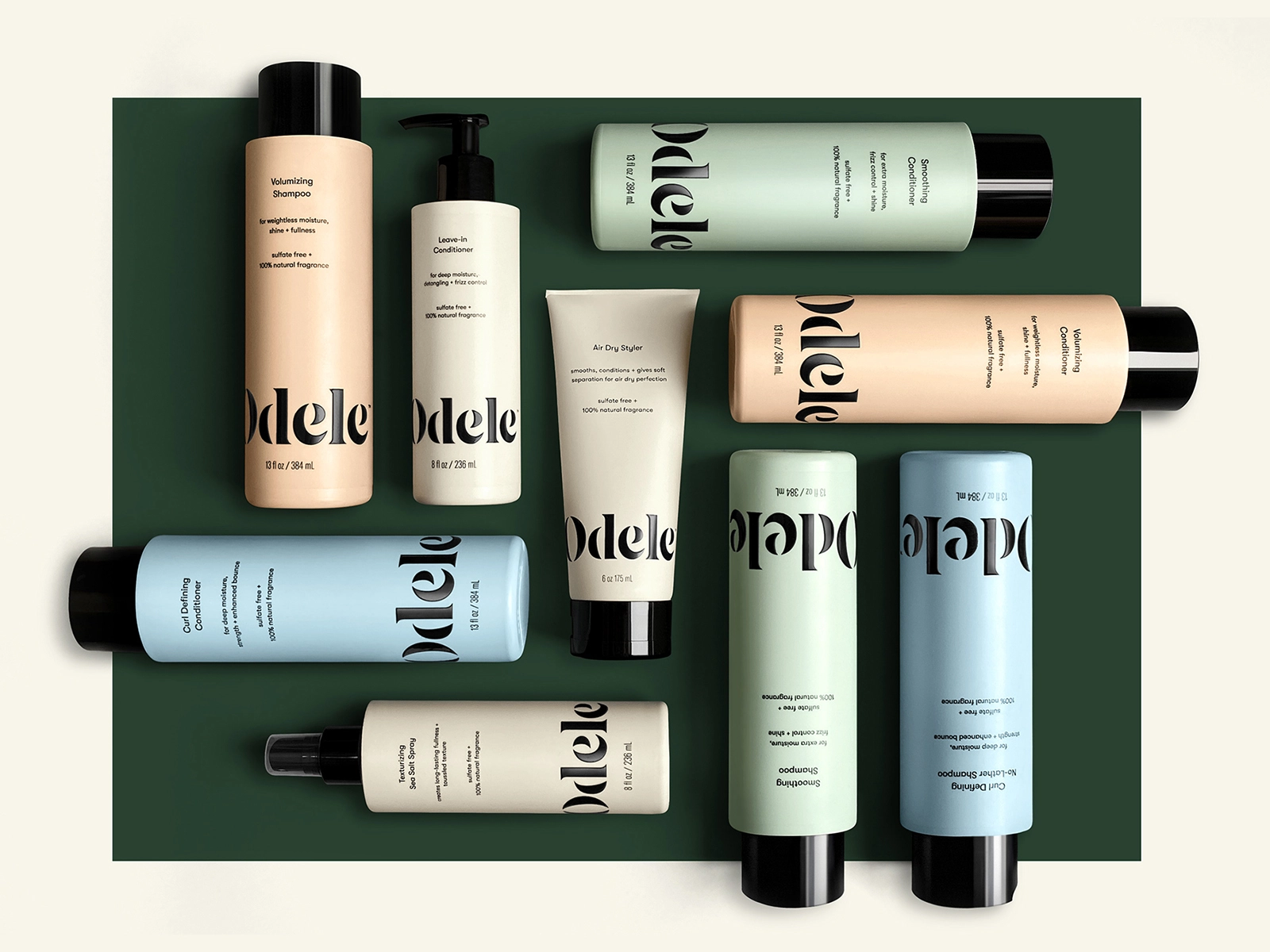
    Package Illustration / Source: Dribbble

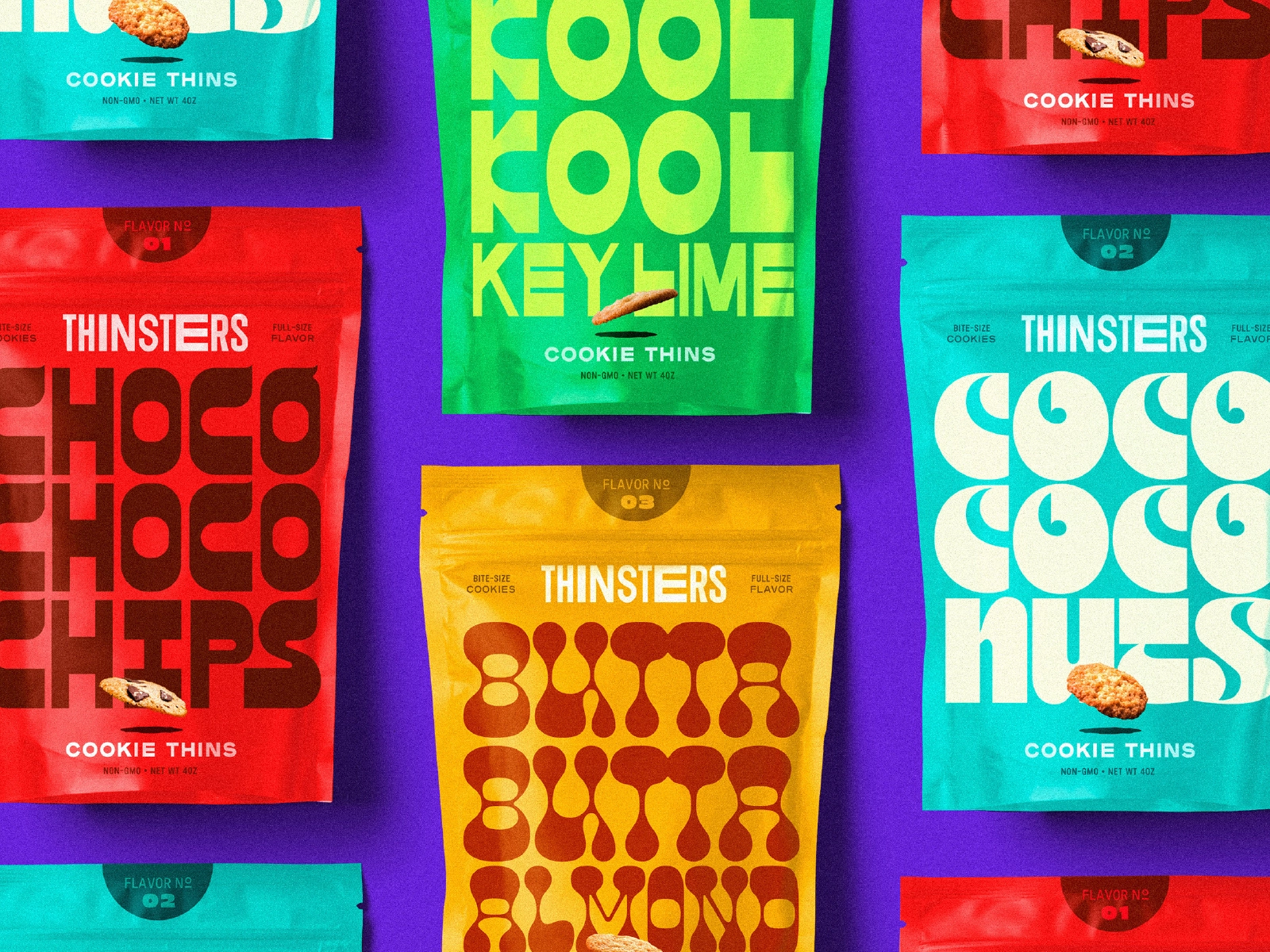
    Package illustrations are essential for brands. They have to accomplish two goals: give each product a unique look in the eye of the customer and draw attention. On top of that, these drawings should emphasize the company’s identity. Thus all product illustrations for one business should look very similar to each other (one should identify the brand behind the product easily), yet not the same.

    3D Illustrations
    3D Illustration example

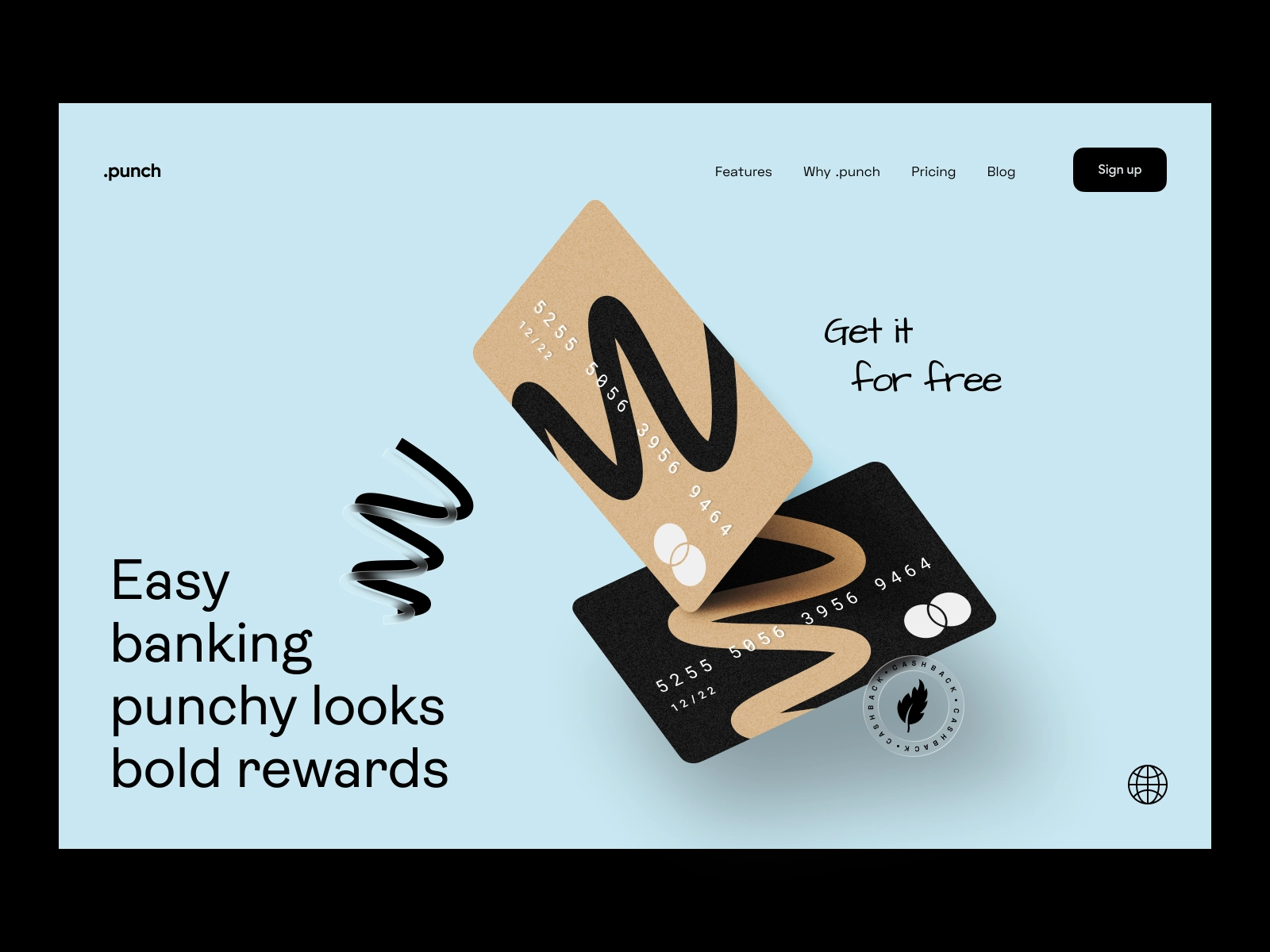
    3D Illustration / Source: Dribbble

    3D illustrations are one of the biggest trends in the last years.  With 3D models, designers and users can better visualize spaces, which in turn helps the decision-making process. Also, 3D elements enable everyone to see things that would otherwise be invisible if drawn in 2D.

    Niche Illustrations
    Wood Carving - niche illustration example

    Wood Carving / Source: Heartwoodcarving

    Modern niche illustrations aren’t that useful. They lean towards art and combine different techniques than the other, more popular illustrations today. Wood carvings, watercolor art, etc. While they are considered archaic, such illustrations cost a lot, since they require years of practice, plus natural-born talent.

    Research: Typography

    Research: Web design

    Pinterest boards

    Illustration board
    Web design board
    Typography board

    Analysing the boards

    Thumbnails

    Illustration poster Thumbnails
    Web design poster thumbnails
    Typography poster thumbnails

    Design process

    Final designs

    Web design poster – A3

    Mock – up

    Self reflection

    To begin, the brief asked for a focus on three specific areas of graphic design. This required me to explore distinct branches within the field, each with its unique visual language, audience, and tools. My approach to this involved:

    Research about different types of illustration, typography and web designs. Then I gathered some Pinterest boards and analysed them.

    For the next step, I made some thumbnails and sketches. After choosing one idea from each group, I started my designs using; Procreate, Illustrator and Photoshop.

    The brief emphasized the importance of expressing the experience of engaging with the creative process, I recorded all the steps of my design process including thumbnails and screenshots.

    For my illustration design poster, I chose to feature the quote “Keep Illustration Simple” as the central element. I experimented with both minimalistic and intricate approaches to reflect different interpretations of the message. Ultimately, I decided to present the quote within a complex design, creating a deliberate paradox to challenge the idea of simplicity.

    Throughout this project, I learned the importance of adaptability as a designer. Each area of graphic design required a tailored approach, and by focusing on both the conceptual and practical aspects, I grew more aware of how to visually communicate complex ideas.

    Moreover, the project deepened my understanding of how to visually express collaboration and the design process itself, a crucial but often overlooked element in showcasing creative work. And lastly, by pushing myself to explore new layouts.

    Resources

    Research Task 1.3: Area of Practice

    Brief

    Explore the breadth of specialist subjects within the profession of graphic design.
    Find as many as you can, give each one a title and a paragraph of description, including specialist skills required, which may be personal, as well as design or technical skills. Find visual examples of current design for each area, the names of the designers, and a link to their website. Keep this as a simple list, which you may use later in the project as text for the first assignment.
    What are the various responsibilities and roles in a typical design agency? Starting from junior designer, work your way up and give a brief description of the average working day at each chosen level of responsibility.

    I started my research by researching about different professions of graphic design:

    1. Brand Identity Design

    When most people think about graphic design, they immediately associate it with designing logos. However, logo design is only one aspect of a broader specialization of graphic design which is brand identity.

    Beyond logo design, identity designers also create the entire look and feel of a company’s visual presence. As part of this, they create color palettes, decide on the types of images a company will use, determine the typography, and create other accompanying visual elements.

    Brand identity designers are responsible for crafting the visual identity of the companies they work for. Because of this, they’re generally responsible for creating brand style and usage guidelines that direct the work of other designers, including marketing designers and web designers.

    Graphic designers specializing in branding work typically work on things like:

    • Brand Strategy
    • Typography
    • Colour Palettes
    • Logo Design
    • Business Cards and/or Stationary
    • Icon Systems
    • Brand Guidelines
    logo design
    brand identity design

    2. Marketing & Advertising Design

    Whether appearing online or in print, marketing and advertising designs are key elements of any company’s promotional strategy.

    Since the goal of marketing and advertising is to prompt consumers to make a purchase or sign up for a product or service, graphic designers working in these areas need to have a firm understanding of behavioral psychology when it comes to purchasing behavior.

    Graphic designers specializing in advertising & marketing focus on creating assets such as:

    • Print & Digital Advertisements
    • Social Media Graphics
    • Podcast Cover Art
    • Banners
    • Marketing emails
    • Brochures & Posters
    • Billboards
    • Vehicle wraps
    • Pitch Decks & Presentations
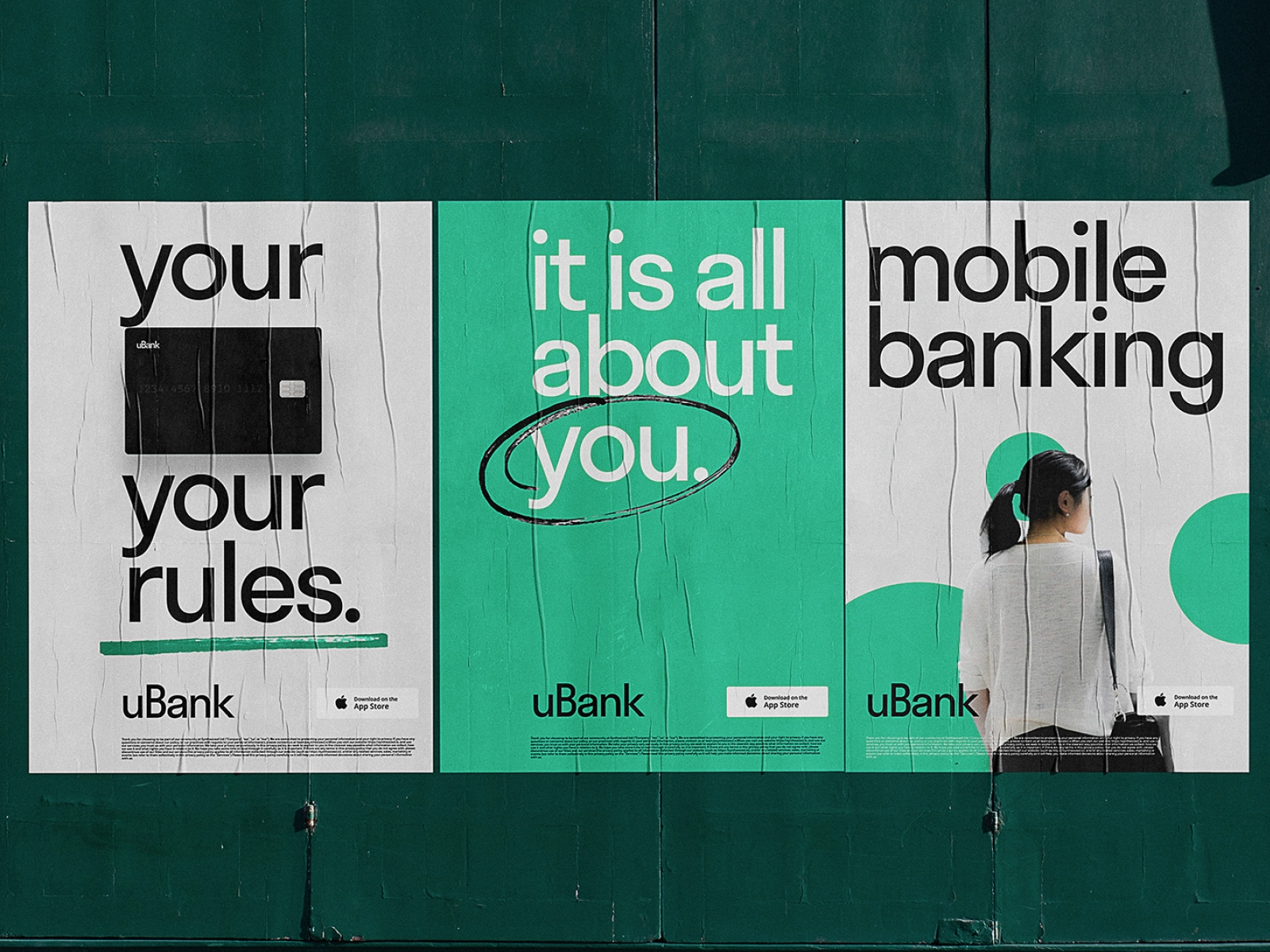
    marketing design
    advertising design

    3. Packaging Design

    Physical products need packaging. Everything from cereal boxes to tags on designer clothing needs to be designed by someone. That’s where packaging designers come in.

    These types of graphic designers need to have a strong grasp of branding as well as consumer behavioral psychology to create packages that make customers want to make a purchase.

    They need to be proficient at colour theory and typography, as well as any laws or regulations about the information that needs to appear on packaging (such as nutrition information).

    creative packaging design
    packaging design

    4. Web & User Interface Design

    Web and UI designers create designs for websites and apps. They need to have a solid grasp of design principles, as well as an understanding of user experience design and basic coding principles.

    While web and UI designers may not actually do any coding, understanding the capabilities and limitations of the code that powers websites and apps makes them a more valuable part of any design team.

    If you’re a graphic designer specializing in web design or user interfaces, you might find yourself working on projects like landing pages, marketing websites, app designs, game interfaces, or WordPress sites.

    mobile app design
    creative web design

    5. Print & Publication Design 

    Graphic designers used to work entirely in the print world, and there are still plenty of opportunities for this kind of print design work in 2022.

    Graphic designers in the print and publication industries need to understand the principles of good design, as well as the technical specifications of creating print-ready files. They also need to have a firm grasp of color theory and typography, as well as what types of images work best in print vs. digital environments.

    Print & publication designers typically have their hands in all sorts of print-related projects such as:

    • Book covers
    • Magazine & Newspaper layouts
    • Menu Design
    • Album Covers
    • Merchandise & Apparel
    • Brochures & Flyers
    • Stationery
    editorial design
    menu design

    6. Lettering & Type Design

    An often-overlooked specialty of graphic design is lettering and type design. These graphic designers create everything from typefaces and fonts to hand-lettered designs.

    Type and lettering designers need to have a thorough grasp of typographic principles, what makes a typeface legible, how concepts like kerning and line-height play into a typographic design’s overall readability.

    Hand-lettering artists often create things like signs, flyers, murals, and even wordmark logos. They may create designs either by hand or digitally.

    On the other hand, type designers often focus more on creating typefaces (though they may also create one-off custom projects). There’s a lot of overlap between what lettering and type designers do.

    7. Graphic illustration

    When you think about graphic design, you may not immediately think about illustration. However, graphic illustrators are in-demand in 2022 as brands continue to seek out custom illustration work (also known as product illustration) for their online presence.

    Graphic illustrators are usually tasked with creating illustrations for commercial and editorial purposes, as well as illustrations that live on web designs and social media. These types of graphic designers will often create their illustrations digitally, but some may also use more analog tools and then digitize their images.

    As a professional graphic illustrator, you’ll work on all kinds of imagery spanning the gamut of:

    • Digital Products
    • Blog post & articles
    • Books & Magazines
    • Games
    • Apparel
    • And so much more…

    If you’re a graphic illustrator, you might also create stock illustrations for wider use. This can be a good source of passive income as well as a way to build a reputation as an illustrator.

    8. Data Visualization & Infographic Designer

    Data visualization and infographic designers need to have a solid understanding of how to represent data accurately and in ways that make it easier to understand.

    Working in this type of graphic design role means you need to understand how to work with large data sets and how to make that information digestible for people who aren’t data scientists.

    It’s helpful for data visualization and infographic designers to have at least some background knowledge and experience with data science. The better they understand the data they’re presenting, the more equipped they are to translate that data into easy-to-understand visuals.

    Infographics and data visualizations may be static or interactive (such as those used in dashboards).

    List of the designers:

    Brand identity

    Web & User Interface Design

    Lettering & Type Design

    Illustrators

    Various responsibilities and roles in a typical design agency

    In a typical design agency, there are various roles and responsibilities that contribute to the design process, ranging from entry-level positions like Junior Designer to senior management roles. Below is an overview of the common roles and responsibilities, starting from Junior Designer and moving up the hierarchy:

    1. Junior Designer

    • Responsibilities:
      • Assisting in the creation of visual designs (graphics, layouts, branding materials) based on briefs.
      • Supporting senior designers in executing tasks such as typography, image editing, and layout adjustments.
      • Learning and developing skills in design software (e.g., Adobe Creative Suite, Sketch, Figma).
      • Conducting research on design trends and gathering design inspiration.
      • Taking feedback from senior designers and improving design work accordingly.

    2. Mid-Level Designer (Designer/Graphic Designer)

    • Responsibilities:
      • Taking charge of design projects from concept to completion.
      • Working directly with clients to understand their needs and communicate design solutions.
      • Developing original concepts for branding, websites, social media, and other design work.
      • Ensuring consistency in design across all platforms.
      • Collaborating with the design team, copywriters, developers, and marketing teams.

    3. Senior Designer

    • Responsibilities:
      • Leading the creative design process for more complex or high-profile projects.
      • Mentoring and guiding junior and mid-level designers.
      • Ensuring design quality and consistency across various projects.
      • Collaborating with project managers, developers, and other stakeholders to execute design strategies.
      • Presenting ideas and final designs to clients and incorporating feedback.

    4. Art Director

    • Responsibilities:
      • Overseeing the overall visual and creative direction of projects.
      • Setting the tone and style for design work, ensuring it aligns with brand identity and client objectives.
      • Managing the design team and allocating tasks among designers.
      • Reviewing and approving all design concepts, mockups, and final deliverables.
      • Collaborating with creative directors, copywriters, and other team members to create cohesive campaigns.

    5. Creative Director

    • Responsibilities:
      • Leading the overall creative vision of the agency and ensuring it aligns with the agency’s goals and client objectives.
      • Collaborating closely with clients to understand their brand identity, goals, and audience.
      • Overseeing multiple projects, ensuring consistency, innovation, and quality across all creative output.
      • Leading and inspiring the creative team, which includes designers, copywriters, and developers.
      • Making high-level decisions on creative strategy, concepts, and brand positioning.

    6. Design Director

    • Responsibilities:
      • Overseeing the design department and ensuring alignment with the agency’s creative goals.
      • Managing and directing the work of senior designers and art directors.
      • Setting design standards, processes, and workflows to ensure the agency delivers high-quality design work efficiently.
      • Leading the development of creative concepts in collaboration with other directors (e.g., strategy, production).
      • Maintaining relationships with clients to ensure their design needs are met

    7. Project Manager / Account Manager

    • Responsibilities:
      • Managing the day-to-day communication between the client and the design team.
      • Ensuring that design projects are delivered on time, within budget, and to the client’s satisfaction.
      • Collaborating with designers, developers, and copywriters to keep projects on track.
      • Defining project scope, objectives, and timelines.
      • Managing client expectations, resolving issues, and ensuring smooth project execution.

    8. UX/UI Designer

    • Responsibilities:
      • Designing intuitive user experiences (UX) and user interfaces (UI) for websites, apps, and digital products.
      • Conducting user research and usability testing to inform design decisions.
      • Creating wireframes, prototypes, and high-fidelity mockups.
      • Collaborating with developers to ensure smooth implementation of the designs.
      • Ensuring designs meet user needs and align with business goals.

    9. Motion Designer / Animator

    • Responsibilities:
      • Creating animations and motion graphics for video, websites, and digital campaigns.
      • Bringing static designs to life through animation, ensuring they align with brand guidelines and project goals.
      • Collaborating with the creative team to conceptualize and storyboard animations.
      • Managing the technical aspects of motion design, including timing, transitions, and effects.

    10. Developer / Front-End Developer

    • Responsibilities:
      • Translating design mockups and prototypes into interactive, responsive websites and applications.
      • Collaborating with designers to ensure the design is executed properly in the final product.
      • Writing clean, efficient code using front-end languages like HTML, CSS, and JavaScript.
      • Testing and troubleshooting designs across various devices and platforms.

    11. Content Strategist / Copywriter

    • Responsibilities:
      • Developing creative content that aligns with the client’s brand voice and strategy.
      • Writing copy for websites, marketing materials, social media, and advertising campaigns.
      • Collaborating with designers to ensure that the content and visuals work harmoniously.
      • Creating content that supports overall design goals and user experience.
      • Conducting research on industry trends and audience preferences to inform content strategies.

    Resources

    Exercise 1.1: How the Industry Works

    Brief

    Design a piece of information graphics which shows the workflow from client brief to the final production of a new gaming console. For the purpose of this exercise you may use an existing brand, for example ‘PlayStation’.
    This will visually demonstrate the relationship between client, designers, and any other agencies or services that might be involved in the initiation, development and completion, as well as marketing of a designed item for distribution across all media platforms.
    Start by researching the gaming sector and the history of gaming consoles. Include earlier examples of the brand and its application. Then, choose an existing brand and chart its development. This could be a simple timeline to include the various models. Next, indicate through simple visual sketches or thumbnails the sequence of contributors to the workflow. Finally, work up your finished infographic to a size of your choice. Consider your use of type and other graphic elements and whether these are in keeping with your chosen brand.
    Evaluate and reflect on your findings in your blog.
    The links below will help you with this exercise:
    How to Create an Effective Graphic Design Workflow | Piktochart
    A Comprehensive Guide to the Graphic Design Workflow | Dribbble

    Keywords

    • Design a workflow
    • Gaming console
    • Researching the history of the game sector
    • Choosing an existing brand
    • Timeline
    • Finished infographic

    Spider diagram

    Research: The history of the game consoles

    I began this exercise by doing some research about the history of the game consoles. I watched some videos on YouTube as well as reading some articles about this topic.

    Research: The history of PlayStation consoles

    How Many PlayStation Consoles Have There Been?

    In total, fourteen PlayStation consoles have been released since the first PlayStation released in 1995 in North America. This list includes Slim revision models for consoles and the two portable consoles that Sony has released under the PlayStation branding. 

    Every PlayStation Console in Order of Release

    PlayStation – September 9, 1995

    undefined

    The Sony PlayStation is the console that started it all. In a major departure from the industry leader Nintendo’s cartridge-based approach, the PlayStation utilized CD-ROM. These discs had much more space on them, which led to major developers like Square Enix crafting games for the console. The PlayStation is forever remembered for titles like Metal Gear Solid, Final Fantasy VII, Resident Evil 2, Vagrant Story, Crash Bandicoot, and many more great PS1 games.

    PS One – September 19, 2000

    undefined

    PS One is a redesigned model of the PlayStation, offering the same features in a smaller form factor. The one major change with this model was the removal of the reset button. In 2002, Sony released an attachable screen for the PS One called the Combo. This was made possible due to the removal of a few miscellaneous ports on the back of the console. It’s also worth noting that the PS One outsold the PlayStation 2 in 2000, which is wild looking back.

    PlayStation 2 – October 26, 2000

    undefined

    PlayStation 2 took to the scene in October 2000 offering a massive increase in visual fidelity compared to its predecessor. Long gone were the days of polygon-shaped figures, and in were the days of detailed character models and 3D action titles. To this day, the PlayStation 2 is still the best selling console of all time. Although, the Nintendo Switch is slowly inching closer and closer with each update. You can check out our picks for the best PS2 gamesof all time to see why it was so beloved.

    PlayStation 2 Slim – November 2004

    undefined

    The PlayStation 2 Slim made monumental improvements across the board in performance, efficiency, and design. First off, the disc drive was changed to be top-load, which fixed some issues players ran into with dual layer discs on the standard PlayStation 2 consoles. Additionally, Sony reduced the power draw for the PS2 Slim by reworking the internals to be more efficient. PS2 Slim was much smaller than the original PS2, hence the ‘Slim’ name. This was the first Slim revision by Sony, which has been utilized in every PlayStation generation since.

    PlayStation Portable – March 24, 2005

    undefined

    PlayStation Portable was the first portable console Sony ever released under the PlayStation name. Also referred to as the PSP (not to be confused with the new PlayStation Portal), this console had capabilities of playing games, watching movies, and listening to music. It utilized UMDs as its method of physical storage for games and movies. The device was even capable of connecting to the PlayStation 2 and PlayStation 3 in some capacities, with certain titles allowing for the PSP to be utilized in-game. The best PSP gamesof the time were also really solid entries in various franchises.

    PlayStation 3 – November 17, 2006

    undefined

    PlayStation 3 was a massive step up from the PS2, with all sorts of new capabilities. The major shakeup came with the new online features, specifically with PlayStation Network. PSN brought online multiplayer, digital downloads, and much more. This console was also backwards compatible, so PlayStation and PlayStation 2 titles could be inserted and played rather than just PS3 games. Lastly, PS3 introduced support for Blu-ray discs, which allowed players to insert movies and watch through their console. This addition is one of the reasons consoles have become some of the best Blu-ray players on the market in 2024.

    PlayStation 3 Slim – September 1, 2009

    undefined

    PlayStation 3 Slim arrived three years after the release of the original PS3, dropping over 33% of the weight, bulk, and power consumption of the original model. The cooling system was completely redesigned to save space, which also provided better thermals for the system. By far, the biggest departure of this release was the lack of backwards compatibility. Sony dropped support for PlayStation and PlayStation 2 titles in this model, and this is a feature that has never returned.

    PlayStation Vita – February 22, 2012

    undefined

    PlayStation Vita marked Sony’s first new entry in the portable gaming space in nearly seven years. A key draw for many was the ability to play hundreds of incredible titles across both the PS3 and the Vita. At the time of release, it was the most advanced portable system on the market, with dozens of features no other developer offered. Later in its life, Remote Play for PlayStation 4 was added, allowing players to stream PS4 games to the Vita anywhere in their homes.

    PlayStation 3 Super Slim – September 25, 2012

    undefined

    PlayStation 3 Super Slim was the final revision for PlayStation 3. Releasing just a year before PS4 hit the market, the PS3 Super Slim featured a top-load Blu-ray drive, better power efficiency, and an even slimmer design. Looking back on this release, the PlayStation 3 Super Slim ended up being the most durable PS3 that Sony released, which was largely due to the disc drive design and slimmer body. 

    PlayStation 4 – November 15, 2013

    undefined

    PlayStation 4 offered internals that were over five times faster than PS3, allowing for a massive jump in visual quality for games. PS4 saw the release of incredible titles like Uncharted 4, God of War, Ghost of Tsushima, and many more. Another quality feature available on PlayStation 4 was the addition of a removable HDD, which allowed players to swap hard drives in and out for more storage. The DualShock 4 controller was also a massive step up from the DualShock 3, offering a more ergonomic design to aid in comfort during long play sessions. The best PS4 games are still some of the best modern games you can play.

    PlayStation 4 Slim – September 15, 2016

    undefined

    In short, PlayStation 4 Slim was just a smaller and better version of the PlayStation 4. The PS4 Slim was much more power efficient than its predecessor, which allowed for the internals to be shrunk down into a smaller form factor design. While there was no difference in performance between this console and the standard PS4, the smaller design and quieter cooling system was a huge draw for many.

    PlayStation 4 Pro – November 10, 2016

    undefined

    PlayStation 4 Pro was a monumental step forward from the standard PlayStation 4. The console marked Sony’s first entry into 4K support, with upscale technology utilized to create a 4K image. Combined with HDR support, the PS4 Pro finally allowed players to take advantage of their 4K displays. With twice the GPU power of PS4, this console was able to provide boosted frame rates for many titles. 

    PlayStation 5 – November 12, 2020

    undefined

    PlayStation 5 marked the most powerful PlayStation console to date, with support for ray tracing, 120FPS, steady native 4K output, and more. By far, this is the largest PlayStation ever released, though it comes just under the PlayStation 3 in terms of weight. Alongside the console, the PlayStation DualSense Controller brought loads of new features, including adaptive triggers, haptic feedback, and a USB-C charging port. Our list of the best PS5 games dives into some of the greatest console titles to be released in this decade.

    PlayStation 5 Slim – November 10, 2023

    undefined

    PlayStation 5 Slim brought new changes to the PlayStation 5 without drastically changing any of the hardware inside. First, the console is much smaller than the original PlayStation 5, which is a bulky console that can be challenging to fit in shelves. The major change with PS5 Slim is the modular design, which allows you to buy a console without a disc drive and buy the attachable drive separately later on.

    PlayStation 5 Pro – November 7, 2024

    undefined

    Leaks were proven correct when the PS5 Pro was officially revealed during Sony’s Playstation 5 Technical Presentation. The mid-generation console upgrade primarily targets higher frame-rates, with improvements to ray tracing and the implementation of machine learning through Playstation Spectral Super Resolution (PSSR). Like the PS5 Slim, the PS5 Pro also loses the disc drive for a sleeker design. The PS5 Pro will launch at a price of $699.99 USD, which includes the console, a 2TB SSD, a DualSense controller, and Astro’s Playroom installed. 

    Pinterest board – Infographic timelines

    Analysing

    PlayStation logo

    PlayStation Timeline

    I made my timeline in Illustration with the actual pictures and added some different colours. Then decided to use the colour from the PlayStation logos as a colour palette.

    Final designs

    Self reflection

    I began by thoroughly analysing the brief, which tasked me with creating an infographic that visualises the workflow from the client’s brief to the final production of a new gaming console, using an existing brand as an example. I chose to focus on PlayStation because of its rich history and prominence in the gaming sector. This background research provided a solid foundation for visualising the complex workflow and relationships involved.

    What I was considering in my design was first of all the brand identity to help me to choose the colour and the typeface. The typeface that I found to be the closest to the PlayStation identity brand was “ZrnicRg”. For the colour palette, I chose black and white from the logo. Also I wanted to add some futuristic feel to my design, so for that reason, I chose a galaxy background.

    I used Photoshop for some adjustments on my images, the final designs were made in Illustration.

    I tried to follow the brief to respond to this exercise, however, I wasn’t quite sure if the main concentration should be on the timeline or the workflow. What I tried to achieve was to create the same feel for both the timeline and the workflow.

    Resources

    Research Task 1.2: Workflow

    Brief

    Now that you have researched and explored new directions and areas of graphic design practice, we want you to Research and describe the workflow and process of design initiation, development and testing that takes place between a client, a design agency and the end user.
    Write a list or create a basic flow diagram of your findings and save for possible reference later in the project. Use quotes from professionals which support your findings. To start with, use any relevant material that emerged in Case Study one and Consider the following:
    ● Who are you working for?
    ● Where do ideas come from?
    ● What is research and what forms can it take? ● How are design proposals presented?
    ● How are proposals tested with the end user?
    Once you have done this, upload your findings to your learning log.

    Research

    I started with searching and watching some contents that made by some professional Graphic designers via YouTube and their blogs as well as watching the case study by Richard Smith.

    What Is the Graphic Design Workflow Process?

    The graphic design workflow process is a list of ordered steps a designer uses to create a piece of content. The steps flow in a specific order to create the best content possible. It should meet the brand’s or client’s end goals. The graphic design workflow process is equal parts creative and professional. The creative side includes things like ideation and sketching. On the professional side, designers do research, problem solve, and revise the final product. The exact process and number of steps may differ by company or designer.

    The 10-Step Graphic Design Workflow Process

    It’s important to have a graphic design workflow framework. But like most other things in content marketing, yours can be customizable. If this appeals to you, we recommend you add—not delete or reorder—steps from the workflow we explore below. We’ve included the primary steps for every design process. They ensure you’re hitting all key development and collaboration points. Use these steps to build your graphic design workflow process:

    1. Build a Creative Brief

    The creative brief, also called the design brief, is like an intake survey for each project. Use it for every campaign, whether you’re working with your brand’s content team or a client. This document helps the designer know the exact project specifications for each piece. You can collect information for the brief in two ways. One option is to meet with the team and client yourself. Ask all necessary questions and fill out the form. Doing it this way allows you to ask follow-up questions at the moment. This may provide more information about the project expectations.

    Another option is to send a blank design brief document to the content team or client. Relevant stakeholders can fill it out and return it. This option may work best if you’re on a deadline. You may also use it for clients with whom you’ve worked on other projects. With the second option, it’s important to review the information and ask for clarity where you need it.

    This step allows you to understand each project. It displays how each piece helps the overall marketing strategy. Download our Content Marketing Pyramid eBook to learn more about how different content types build a brand image. This resource helps you identify the value of content in any marketing strategy. It also gets into the minds of clients to discover what makes them more likely to choose your brand.

    2. Set a Timeline

    Use the information from the design brief to set a project timeline. First, review the document and clarify any unclear information with the content team or client. Any changes to the brief could skew that timeline if you don’t address them. Let’s say you’re developing an infographic. Make sure the writing team completes the copy needs before you design. It would be a waste of time to design the whole thing if the information changes before publication.

    Give clear windows for the duration of each part of the process. Use data from previous graphic design projects to estimate how long each phase takes. During this step, you can also set deadlines and delivery dates.

    3. Research Your Design

    The graphic design research phase works the same as it does in other forms of content creation. How much research you do may depend on how specific the client is with the creative brief. Some designers may have more freedom than others to choose elements or topics. During this phase, it’s helpful to focus on areas like:

    • Understanding the use and value of the topic or service you’re promoting
    • Reviewing competitor’s designs
    • Determining the brand’s market positioning
    • Exploring the visual media preferences of your target audience
    • Finding where your target audience consumes content
    • Reviewing graphic art principles and design trends
    • Collecting inspirational content and images

    Research allows you to find what’s popular with competitors and your target audience. It also presents ideas you can repurpose—not copy—for your own projects. Look for ideas on websites, social media channels, and products and packaging. You may not use everything you collect during the research phase in the last design. It’s still important to record everything you find useful. This may save you from having to return to the research stage later if you don’t have enough information.

    4. Prepare Drafts

    The drafting phase may differ depending on the type of content you create. Infographics and custom illustrations may involve sketching. Animated videos or interactive media may include storyboards or unpolished demo reels. Drafts should communicate what the team or client asked for in the brief. But it should also be unique from other things you found in your research. The more extensive the project, the more drafts you may have to complete before you move to the next phase.

    5. Conduct a Review

    Get a team or client review before you move from drafting to the design phase. This allows stakeholders to provide their first thoughts and comments on the drafts. What would happen if you didn’t stop for a review before moving into the thick of the design? You may waste valuable time and effort creating something the client no longer wants. It’s easier to change a draft than to overhaul a finished design. You may repeat this review process many times before moving to the design stage.

    6. Create the Design

    Take everything you’ve learned from research and feedback and start the polished design. Use graphic design principles and technical skills to create the best-looking visual. Make sure you can share the finished product in the desired file format. Like a writer does a self-edit on a piece before submission, a designer can do a self-critique. Look your piece over before submitting it for final feedback and approval.

    7. Collect Feedback

    Graphic designs go through another round of team or client feedback before finalization. This is to make sure the creation meets the stakeholders’ visions. Like the feedback following the drafts stage, this step may take many cycles. Often, the designer submits the piece to the right stakeholder to review. Then they make requested changes before submitting it again. This process continues until the stakeholders finish their change requests.

    8. Complete the Design

    This step might sound official, even daunting. But completing the design is a simple process. Save a finished copy as the correct file format for delivery. Create a backup of the workable design document and the finished copy. Store them in two or more places, like on your device and a shared drive.

    Keeping the workable document lets you go back and make more changes later. What if your team wants to update an infographic every year? Then you won’t have to start from scratch each time. Duplicating the finished copy lets you have a backup in case of accidental deletion.

    9. Deliver the Content

    Send the design to your team or client based on the instructions from the creative brief. The type of project may influence how you share it. For example, infographics or custom illustrations may come in photo or PDF formats. You can share them on a drive or send them through email. Dynamic content, like interactive media, may have a larger file size. You may have to deliver it in pieces, or on a hard disc. Some clients may request that your agency publish or upload the content for them.

    10. Review Your Process

    Review each project following delivery. Did you have enough time for each phase? Were there more revisions than expected? Could you add extra questions to your brief document to make things clearer? Another thing to consider is client or team satisfaction. Were they happy with the outcome? Why or why not? Reviewing and recording this information at the end of each project helps you prepare more thoroughly for the next.

    Self – reflection

    After this research task, it’s clear to me that a good design process is key to delivering high-quality work that meets the client’s needs and expectations.

    This workflow helps keep the design process smooth and ensures that the client is involved at key stages. From research to final delivery, each step is aimed at creating thoughtful, effective designs that meet the project’s goals.

    Resources

    Design a site like this with WordPress.com
    Get started